Smart Knee Implant

Sensor-enabled knee replacement recovery data, explained plainly.

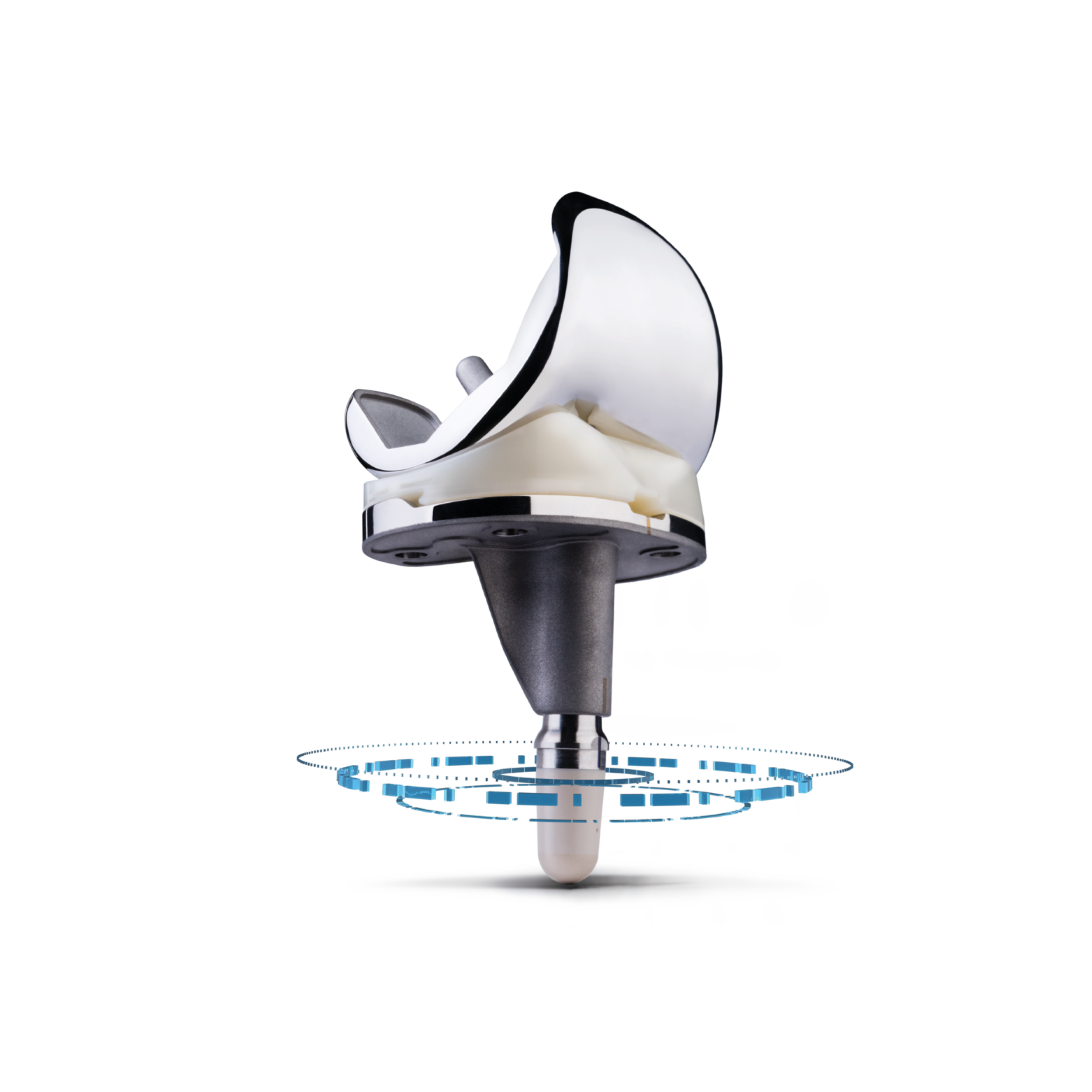
Persona IQ, also known as The Smart Knee, is a Zimmer Biomet knee replacement technology with a smart stem extension that can collect motion data after surgery. For selected patients, that data may help the care team follow recovery trends between visits.

Persona IQ Smart Knee implant illustration
Direct Answer

What is a Smart Knee implant?

A Smart Knee implant is a knee replacement option that includes sensor technology for recovery monitoring. Zimmer Biomet describes Persona IQ as a personalized knee implant with a smart stem extension that collects motion data after knee replacement surgery.

The point is not that the implant does the recovery for you. The point is that the care team may have another stream of objective information, such as movement and range-of-motion trends, to compare with symptoms, therapy progress, office visits, and surgeon instructions.

Important: Smart Knee technology is an option to discuss, not a promise that one implant is best for every patient. Candidacy depends on anatomy, diagnosis, implant choice, privacy preferences, health history, and surgeon judgment.
What It Can Help Show

Recovery data that can make follow-up more specific

01

Motion trends

Sensor-enabled systems can help show how a knee is moving during recovery, including range-of-motion style metrics described by the manufacturer.

02

Walking signals

Gait-related metrics can give the care team another way to understand walking progress alongside therapy notes, symptoms, and office exams.

03

More informed check-ins

Data may help selected patients and care teams have a more specific conversation about recovery progress between scheduled visits.

How To Think About It

Smart technology still sits inside a surgical plan.

Patients should compare the whole knee replacement plan, not just the device name. The surgeon still has to choose the procedure, alignment strategy, implant fit, soft-tissue balance, recovery pathway, and follow-up plan.

1

Diagnosis

Confirm whether knee arthritis, deformity, instability, stiffness, or a prior implant problem is driving the limitation.

2

Fit

Discuss whether the implant system and connected monitoring option fit the patient's anatomy and goals.

3

Privacy

Ask what data is collected, where it goes, who can see it, and how it is protected.

4

Recovery

Use data as one input alongside therapy, symptoms, wound healing, pain control, and surgeon guidance.

Candidacy Signals

When Smart Knee technology enters the conversation

Smart Knee technology is most relevant for patients already considering knee replacement who want to understand whether recovery data could add value to their follow-up plan. It may be especially useful to discuss when a patient values objective progress tracking, is comfortable with connected technology, and is a candidate for the implant system.

It may not fit every surgical plan. Implant selection, bone quality, anatomy, revision needs, medical risk, data-sharing preferences, insurance details, and surgeon experience can all change the recommendation.

Ask during consultation: If I am a candidate for knee replacement, would Persona IQ or another connected implant option meaningfully improve how my recovery is monitored?
Patient Questions

Common questions

Is this the same as robotic knee replacement?

No. Robotic or navigation systems help execute a surgical plan. Smart Knee technology is about collecting selected recovery data after surgery. A patient may hear about both, but they answer different questions.

Does it track where I go?

Zimmer Biomet patient materials state that Persona IQ is not a GPS or location-tracking device. Patients should still ask how data is collected, transmitted, protected, and used.

Will this prevent complications?

No implant can guarantee that. Data can support follow-up conversations, but symptoms, wound checks, urgent concerns, therapy, and office visits still matter.

Is the data a substitute for therapy?

No. Therapy, walking safety, swelling control, range of motion, strength, and surgeon-specific instructions remain central to recovery.

Connected Care

Compare Smart Knee technology with related knee options

These pages help patients understand where connected recovery data fits inside the larger knee replacement decision.

Related TJS surgeons

Relevant locations

Medical Review

Reviewed for patient education.

This page was reviewed by Total Joint Specialists clinical leadership on June 16, 2026. It is reviewed at least annually and whenever major clinical guidance, device information, source references, or practice facts change.

The content is educational and is not a substitute for an evaluation with an orthopedic surgeon who has reviewed your individual case.

How TJS reviews medical content

Sources

Patient education and claim-control references used for this page: Zimmer Biomet Persona IQ patient information, Zimmer Biomet Persona IQ remote monitoring information, AAOS Total Knee Replacement, and AAHKS patient education.

Appointment Match

Ask whether connected recovery data belongs in your knee plan.

Scheduling can help route Smart Knee questions to the right TJS knee replacement specialist, office, and visit type. Bring prior imaging, treatment history, medication lists, and questions about data privacy and recovery monitoring.

Related procedureTotal Knee Replacement
Safety noteNo outcome, recovery speed, or candidacy is guaranteed online.
Educational note: if you have severe pain, fever, wound drainage, chest pain, shortness of breath, sudden calf swelling, or another urgent symptom after surgery, follow your discharge instructions and seek urgent care.
ScheduleCall