Total Hip Replacement

Replacing the worn hip joint so movement can feel possible again.

Total hip replacement removes damaged cartilage and bone from the hip's ball-and-socket joint and replaces them with artificial components. The goal is less arthritic pain, better function, and a stable plan for getting back to daily life.

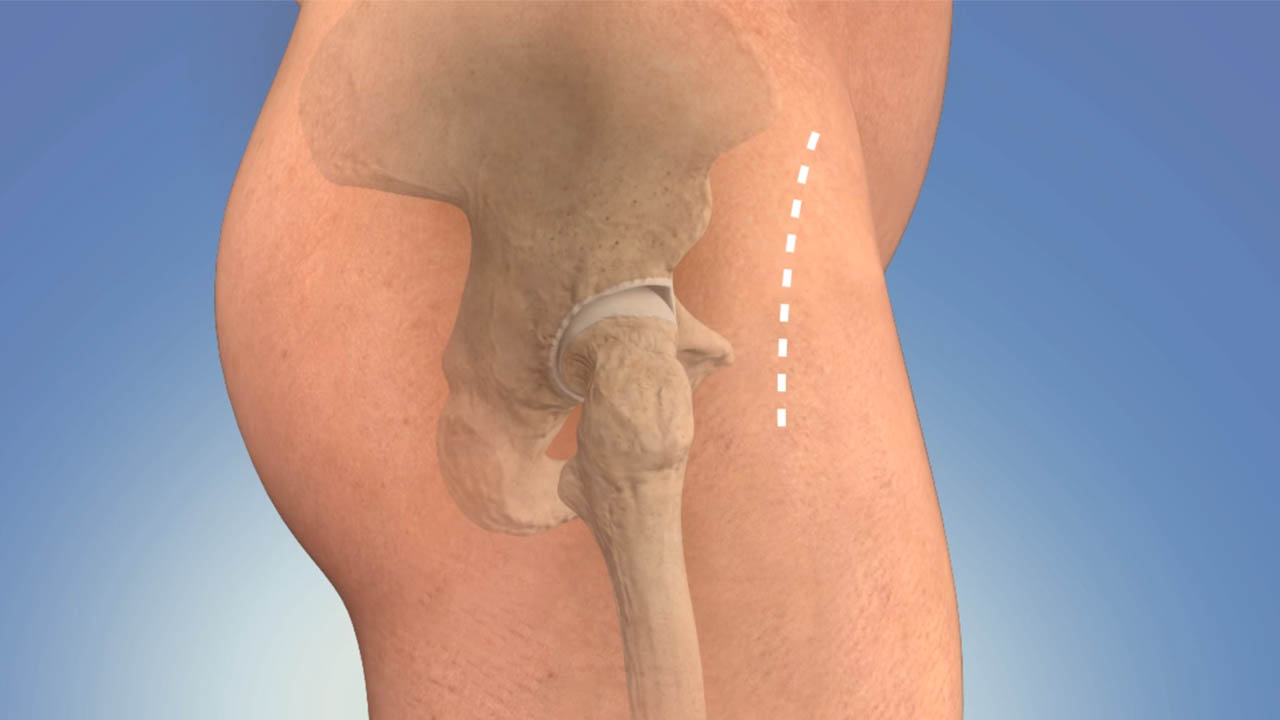
Hip replacement anatomy illustration
Direct Answer

What is total hip replacement?

Total hip replacement, also called total hip arthroplasty, replaces the damaged ball and socket of the hip with implants. It is most often considered when hip arthritis causes pain, stiffness, sleep disruption, and loss of function despite nonsurgical care.

Hip replacement is not only an X-ray decision. The right timing depends on symptoms, function, imaging, health status, goals, and whether other treatments still make sense.

At TJS: the focus is matching the operation, surgical approach, implant plan, and recovery pathway to the patient rather than treating hip replacement as a generic procedure.
What Gets Decided

The key decisions in a hip replacement plan

01

Is the hip the pain source?

Hip arthritis can overlap with spine, tendon, and nerve symptoms. Exam and imaging help confirm the primary pain generator.

02

Which approach fits?

Anterior, posterior, and other approaches can all be appropriate. The right choice depends on anatomy, safety, and surgeon judgment.

03

What recovery pathway?

Many patients can recover at home after surgery, but discharge timing depends on medical risk, support, mobility, and pain control.

Care Pathway

What happens before surgery

1

Diagnosis

Symptoms, exam, and X-rays are reviewed together.

2

Options

Nonoperative care and surgical timing are discussed honestly.

3

Planning

Approach, implant, anesthesia, and discharge plan are coordinated.

4

Recovery

The plan is built around safe walking, pain control, and home support.

Patient Questions

Common questions

How do I know it is time?

It may be time to discuss surgery when hip pain limits daily life, sleep, walking, or activities despite appropriate nonsurgical treatment.

Is anterior hip replacement always best?

No. The anterior approach can be a good option for selected patients, but the safest approach is the one that fits the patient and surgeon's plan.

How long does recovery take?

Early walking begins quickly for many patients, while strength, endurance, and confidence continue improving over weeks and months.

Will insurance cover it?

Coverage depends on the plan and medical necessity. TJS verifies coverage before scheduling surgery.

Sources

Patient education references used for this page: AAOS Total Hip Replacement, AAHKS Total Hip Replacement, and Johns Hopkins Hip Replacement Surgery.

Next Step

Find out whether your hip is ready.

A TJS hip replacement specialist can review your symptoms and imaging and explain your best options.

Schedule Appointment