Anterior Hip Replacement

Hip replacement through the front of the hip.

Anterior hip replacement is a total hip replacement approach that reaches the hip from the front of the body. For the right patient, it may support faster early mobility while still following the same core goal as any hip replacement: replacing the worn joint surfaces with a stable artificial joint.

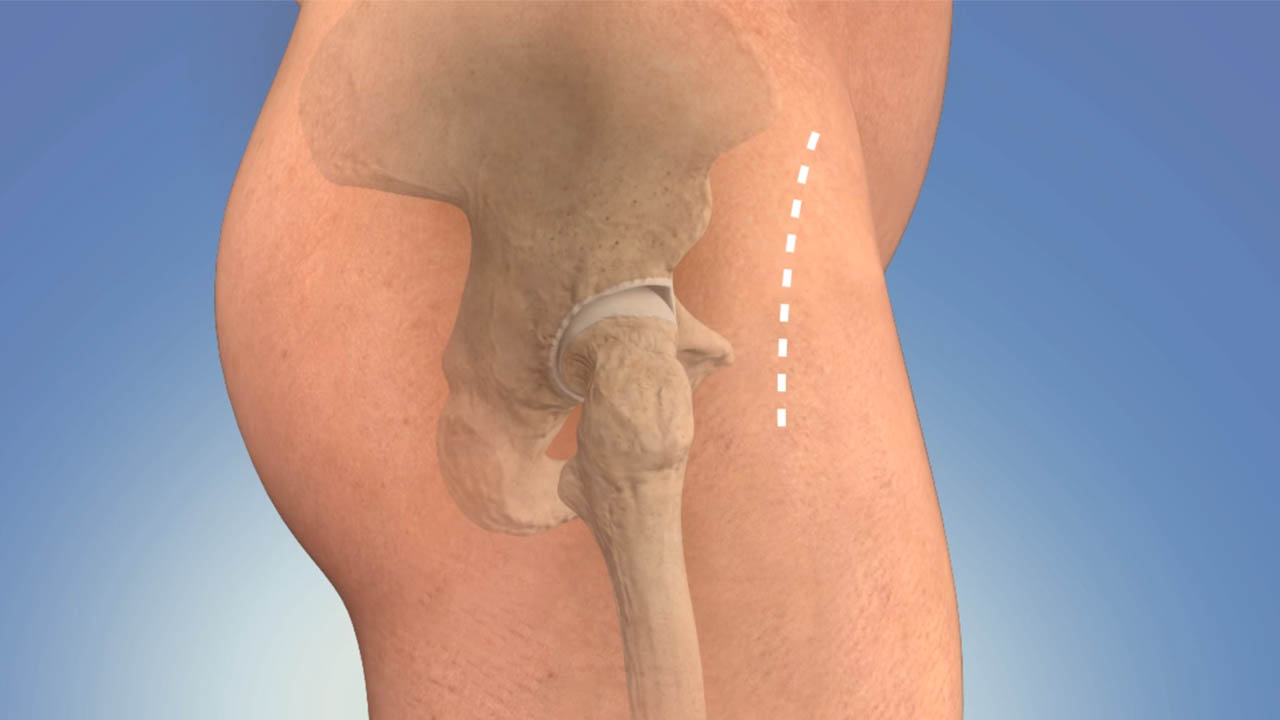
Anterior hip replacement approach illustration showing the front-of-hip incision path
Direct Answer

What is anterior hip replacement?

Anterior hip replacement is a way to perform total hip replacement through an incision at the front of the hip. The damaged ball-and-socket joint is still replaced with implants, but the surgical path is different from posterior or lateral approaches.

The best approach depends on anatomy, diagnosis, prior surgery, surgeon experience, and safety. The anterior approach is not a promise of a specific result; it is one tool an experienced hip replacement surgeon may use when it fits the patient.

At TJS: anterior hip replacement is treated as a specialist decision, not a marketing label. The consultation is where imaging, symptoms, medical history, and goals are brought together.
Why Patients Ask About It

Potential advantages and tradeoffs

01

Muscle-sparing path

The anterior route is commonly described as working between muscles rather than through the posterior hip muscles. That can matter for early recovery in selected patients.

02

Early mobility focus

Some studies and patient-education sources describe earlier early-recovery milestones for anterior hip replacement, while long-term outcomes can be excellent with multiple approaches.

03

Not one-size-fits-all

Body habitus, bone quality, deformity, prior surgery, and surgeon judgment all matter. A safe, well-executed hip replacement is more important than the name of the approach.

Care Pathway

What the visit is designed to decide

1

Is the hip the problem?

Exam and imaging help separate hip arthritis from spine, tendon, or other causes of pain.

2

Is replacement appropriate?

The surgeon weighs pain, function, X-rays, health status, and nonoperative options.

3

Which approach fits?

Anterior, posterior, or another approach may be recommended based on the patient and the surgeon's plan.

4

What recovery plan?

Prehab, anesthesia planning, discharge planning, and physical therapy are coordinated before surgery.

Patient Questions

Common questions

Is anterior hip replacement less invasive?

It is often called muscle-sparing because of the path used to reach the hip. It is still major joint replacement surgery, so the decision should be individualized.

Will I go home the same day?

Many healthy patients can go home the day of surgery, but discharge timing depends on medical history, support at home, mobility, pain control, and surgeon/anesthesia guidance.

Is it better than posterior hip replacement?

Not automatically. Both anterior and posterior approaches can work well when performed by experienced surgeons. The better question is which plan is safest for your anatomy and goals.

Who should I see?

See a surgeon who performs hip replacement frequently and can explain why a specific approach fits your situation, including the benefits and tradeoffs.

Sources

Patient education and claim-control references used for this page: AAHKS Total Hip Replacement, Johns Hopkins Hip Replacement Surgery, and AAHKS summary of randomized anterior approach recovery research.

Next Step

Find out if your hip is ready.

A TJS hip replacement specialist can review your X-rays, symptoms, and goals and explain whether anterior hip replacement belongs in your plan.

Schedule Appointment