Revision Hip Replacement

When a previous hip replacement needs a specialist-level second plan.

Revision hip replacement is surgery to remove or replace part or all of a previous hip implant. It is usually more complex than a first-time hip replacement and requires careful diagnosis, planning, and implant strategy.

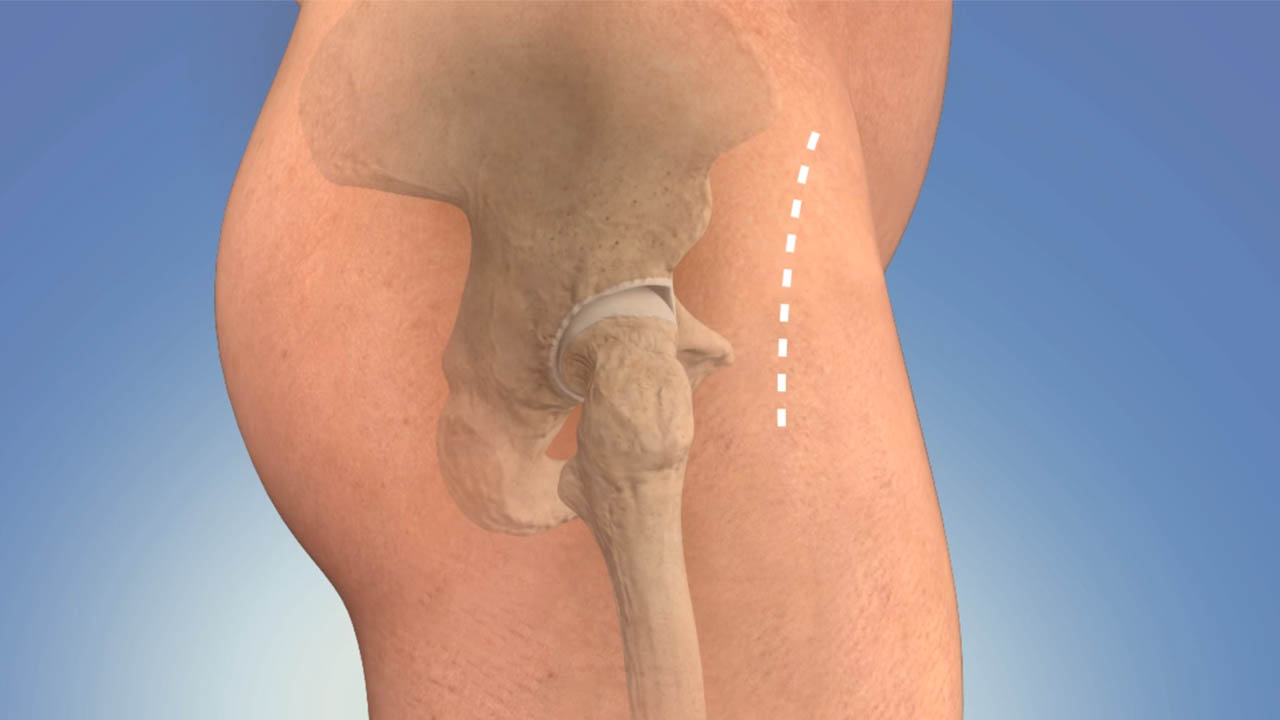
Hip implant anatomy illustration
Direct Answer

What is revision hip replacement?

Revision hip replacement is a second operation on a hip that has already been replaced. The surgeon may exchange a liner or ball, revise the socket, revise the femoral stem, rebuild bone, or remove and replace the entire implant system.

Common reasons include painful loosening, wear, repeated dislocation, infection, fracture around the implant, or implant position problems.

At TJS: revision planning starts with finding the reason the implant is painful or failing before deciding what needs to be revised.
Why It Happens

Reasons a hip replacement may need revision

01

Loosening or wear

Implant parts can wear or lose fixation over time, which may create pain or bone loss.

02

Instability

Repeated dislocation may require changing component position, implant design, or soft-tissue tension.

03

Infection or fracture

Deep infection and fractures around implants require specialized testing and often staged or complex reconstruction.

Specialist Take

Revision hip replacement is detective work before surgery.

The best revision plan depends on the failure pattern. That may mean blood tests, aspiration, advanced imaging, old operative records, implant identification, and a plan for bone loss before entering the operating room.

Patient Questions

Common questions

Is revision harder than the first surgery?

Often yes. Revision surgery can take longer and may require specialized implants, tools, and bone reconstruction.

Do all painful hip replacements need revision?

No. Pain can come from infection, loosening, spine disease, tendon problems, or other causes. Diagnosis comes first.

Will recovery be longer?

It can be. Recovery depends on what is revised, bone quality, infection status, weight-bearing limits, and overall health.

What should I bring?

Prior operative notes, implant stickers, imaging, infection labs, and records from the first surgery can be helpful.

Sources

Patient education references used for this page: AAOS Revision Total Hip Replacement, AAHKS Revision Total Hip Arthroplasty, and AAOS Total Hip Replacement.

Next Step

Get the failed implant question answered.

A TJS revision hip specialist can evaluate why the hip hurts and whether revision is truly the right next step.

Schedule Appointment