External recognition
Part of the AAHKS-recognized program group.
AAHKS lists 116 active recognized adult reconstruction fellowship programs, including the Atlanta Adult Reconstruction Fellowship at Arthritis and Total Joint Specialists.
A one-year, junior-partner experience inside Total Joint Specialists: more than 1,000 expected primary cases, more than 200 expected revision cases, infection, fracture, robotics, outpatient joint replacement, private-practice preparation, research, and progressive autonomy earned through preparation.
AAHKS recognition means the fellowship has been reviewed against the adult reconstruction fellowship standards used across the national match ecosystem. The AAHKS-recognized program list includes the Atlanta Adult Reconstruction Fellowship at Arthritis and Total Joint Specialists.
AAHKS lists 116 active recognized adult reconstruction fellowship programs, including the Atlanta Adult Reconstruction Fellowship at Arthritis and Total Joint Specialists.
The AAHKS Fellowship Recognition Program sets a common standard for adult reconstruction fellowship training and a formal process for recognizing adherence to that standard.
AAHKS states that recognition is required for adult reconstruction programs participating in the Orthopaedic Match beginning in 2026.
The recognition gives applicants external confidence; the TJS page explains the daily reality: high-volume operating, revision exposure, anterior hip, ASC systems, research, and private-practice preparation.
Every week of the year has a topic, AAHKS FOCAL videos, and core readings — organized on the AAHKS FOCAL framework and published openly. Our fellows use it to know what to learn, read, and watch each week; fellows anywhere are welcome to use it too.
Fellows are expected to know their patients, arrive with a surgical plan, understand implant choices and alternatives, and earn progressive autonomy through reliability, judgment, and technical performance.
Routine primary hip and knee arthroplasty is the foundation, with attention to indications, templating, soft-tissue balance, and reproducible execution.
Revision exposure includes instability, infection, bone loss, fracture, severe deformity, custom implants, and bailout planning before incision.
Fellows see the protocols, patient selection, perioperative flow, and recovery systems behind ambulatory and same-day joint replacement.
The year includes robotic and computer-assisted surgery as tools for planning, execution, alignment, and feedback, not as marketing decorations.
Clinic is where fellows build independent assessment, non-operative strategy, optimization judgment, and patient communication.
Fellows participate in weekly research meetings and are expected to author and submit at least two scholarly works.
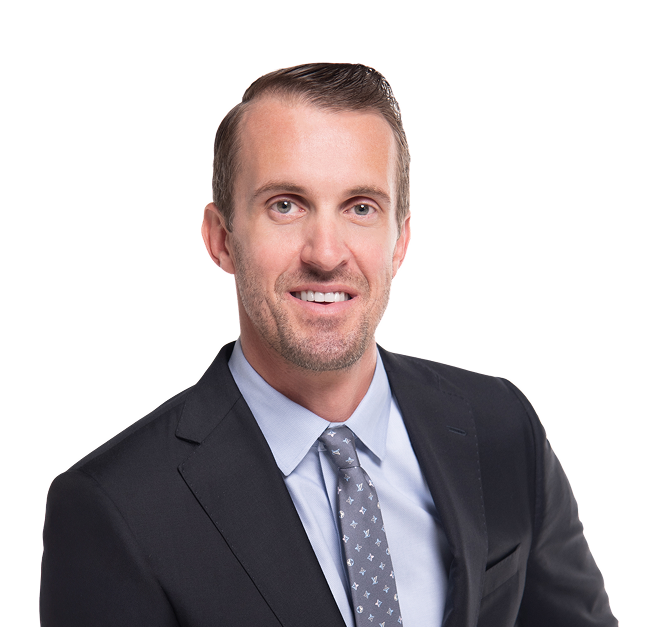
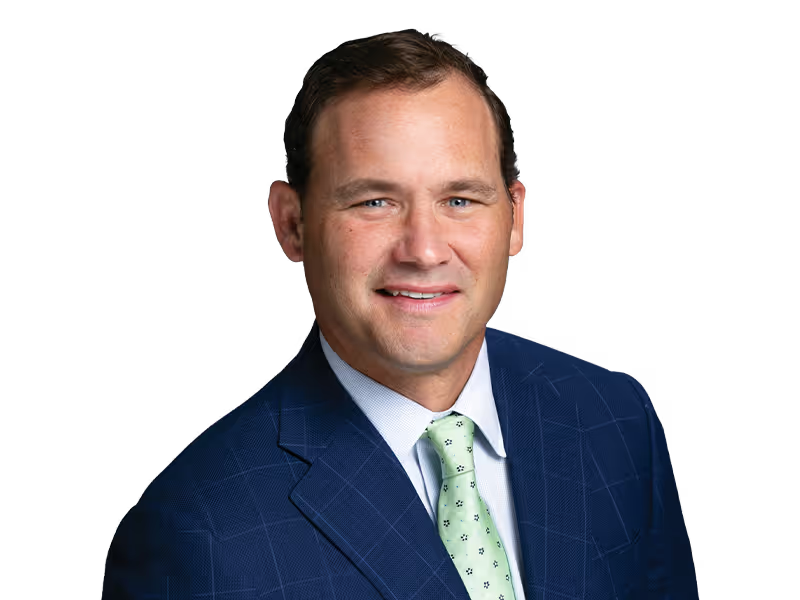
Total Joint Specialists is often thought of as a community fellowship, but the practice is committed to arthroplasty research in a big way. Supported by research assistants and clinical staff, Dr. George Guild and Dr. Tom Bradbury lead a team that publishes an average of 15 papers per year.
We know some fellows are eager to stop practicing academics and writing papers. But arthroplasty is a lifelong pursuit of finding the truth in our field. You will be an active part of the arthroplasty research team and will write at least two papers during the fellowship year.
Average papers per year from the TJS research team.
Fellow papers expected during the year.
We are not just training your brain; we are training your hands and your touch so that what you do is reproducible every single case. The more touches you get, the more your hands learn what to feel and how to feel.
Expected primary THA and TKA cases across the fellowship year.
Expected revision hip and knee cases, including instability, infection, bone loss, fracture, and failed arthroplasty workups.
Same-day and outpatient joint replacement flow, including patient selection, protocols, team handoffs, and recovery systems.
Active operating experience with faculty coaching, increasing complexity, and attention to efficiency, safety, and communication.
Applicants should expect to operate. The year is built around real primary and revision hip and knee surgery, with faculty in the room coaching judgment, sequence, efficiency, exposure, reconstruction, and complication management.
The fellowship is designed for active operative participation across primary joints, revisions, infection, fracture, ASC arthroplasty, and complex reconstruction.
Faculty coaching helps fellows move through exposure, preparation, implantation, closure, revision strategy, and full-case flow with increasing confidence.
Review imaging, indication, implants, sequence, and backup plans so time in the OR is spent operating, not catching up.
Fellows get direct feedback on tissue handling, efficiency, decision-making, communication, and how to become the surgeon people want beside them.
The fellowship gives applicants meaningful exposure to anterior hip replacement as a high-volume primary workflow and as a revision strategy. Fellows learn the approach as an operating discipline: patient selection, positioning, fluoroscopy, exposure, implant execution, complication avoidance, extensile options, and when to choose a different route.
Fellows work through setup, table and leg management, interval development, acetabular and femoral preparation, fluoroscopic checks, implant positioning, stability, closure, and same-day recovery flow.
Exposure includes selected anterior revision scenarios such as liner and head exchange, cup revision, instability, failed components, fracture-risk planning, and extensile decision-making.
Fellows learn to diagnose why a hip failed, how bone loss and implant position change the plan, and when anterior, posterior, extensile, or combined strategies are safest.
The experience connects surgical technique to patient selection, anesthesia, blood management, therapy handoffs, discharge criteria, and recovery expectations in a high-volume ASC model.
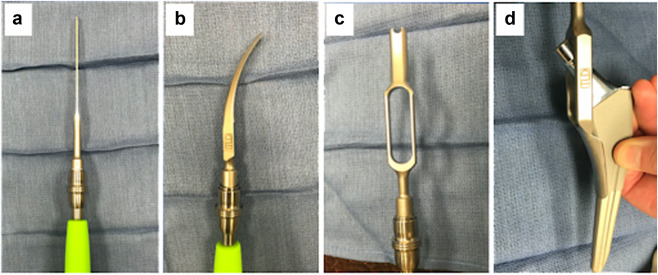
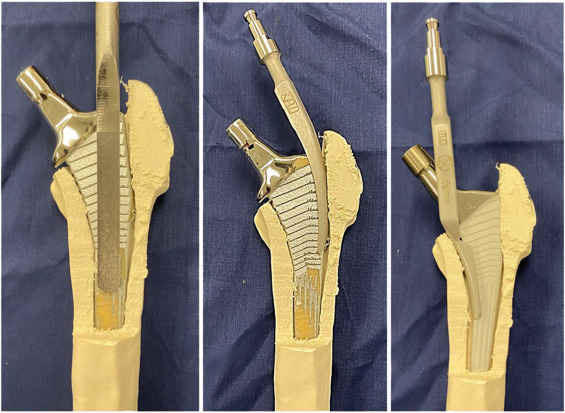
The fellowship's anterior revision exposure is anchored by faculty experience with extensile anterior techniques, including the inside-out anterior osteotomy of the proximal femur for selected revision hip arthroplasty scenarios.
Mahmood S, Muffly BT, Bradbury TL. The "Inside-Out" Anterior Osteotomy of the Proximal Femur via the Direct Anterior Approach in Revision Hip Arthroplasty. Arthroplasty Today. 2023;24:101219. doi:10.1016/j.artd.2023.101219
The 12-by-12 framework monitors the fellow's progress across the year for primary hip and knee replacement. It is not speed for speed's sake; it is a way to make preparation, room flow, technical sequence, tissue handling, implant execution, closure, and team communication visible.
Faculty track progression in setup, exposure, femoral and acetabular preparation, component positioning, leg-length and offset restoration, stability, closure, and elapsed time.
Fellows are monitored on exposure, bone cuts, gap assessment, ligament balance, trialing, cement or fixation workflow, closure, and elapsed time.
Time and skill progress are reviewed with faculty so the fellow can see where preparation, technical sequence, or team communication needs to improve.
The fellowship uses the same operating philosophy described in the 12-by-12 paper: make time visible, make the sequence measurable, and treat efficient surgery as a learned clinical skill.
DeCook C, Statton J. 12 by 12: Obtaining True OR Efficiency with Radical Time Transparency and Operational Excellence. Journal of Orthopaedic Experience & Innovation. 2022;3(1). doi:10.60118/001c.31769
Weekly x-ray conference, quarterly M&M, journal club, didactics, PAC clinic, rounding, call, case logs, and research are integrated into the training year.
Rotations expose fellows to different arthroplasty philosophies, techniques, technologies, and practice models.
Playbook faculty include Jon Minter, Chase Dean, Brandon Naylor, George Guild, and Charlie DeCook.
Northside Atlanta, Duluth, and Gwinnett services broaden the fellow's case mix and faculty exposure.
Land and Seng services add another model for building durable adult reconstruction practice.
TJS fellowship training includes the operating model behind a successful adult reconstruction practice: patient access, clinic conversion, optimization, ASC throughput, team leadership, complication response, outcomes review, referral relationships, and professional reputation.
Led by Dr. George Guild of The Knee Society, fellows are exposed to every knee philosophy, every knee approach, and every knee technology. The goal is not to memorize one template; it is to understand how experts think when the anatomy, ligaments, deformity, technology, and patient goals all point in different directions.
Fellows compare alignment strategy, exposure, balancing, implants, robotics, and revision-minded primary decision-making across faculty who do not all solve knees the same way.
Fellows compare when to restore native anatomy, when to stay inside safer alignment boundaries, and how deformity, ligament quality, bone loss, and patient goals change the plan.
Exposure choices include subvastus and other tissue-respecting approaches, with attention to visualization, extensile options, component execution, and recovery tradeoffs.
Robotic and computer-assisted platforms are used to connect preoperative planning, intraoperative data, soft-tissue assessment, and final implant execution.
Instability, stiffness, malrotation, infection, fixation failure, polyethylene wear, and bone loss are used to teach why primary decisions matter.
AAHKS listed 116 recognized adult reconstruction fellowship programs in January 2026. There are incredible fellowships around the country; we purposely built this fellowship to be different from the rest by publishing the operating standard, the expected volume environment, and the private-practice preparation that define the TJS year.
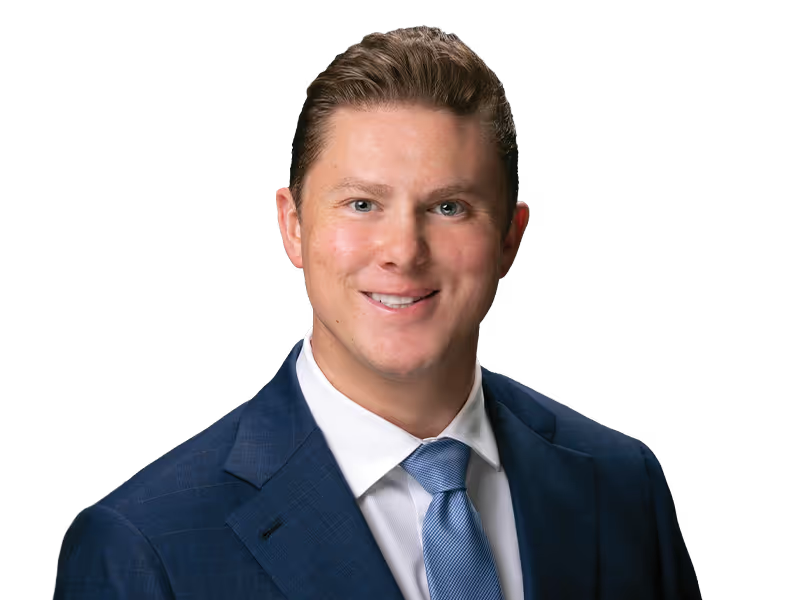
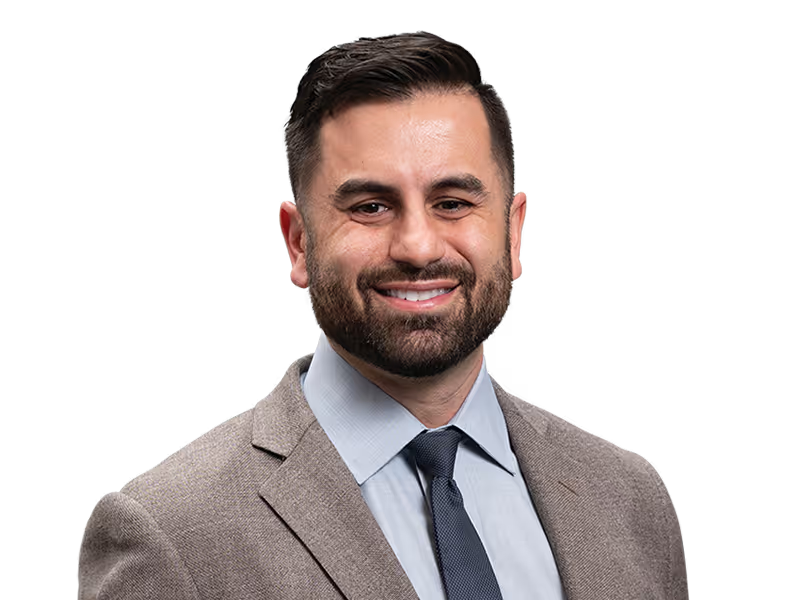
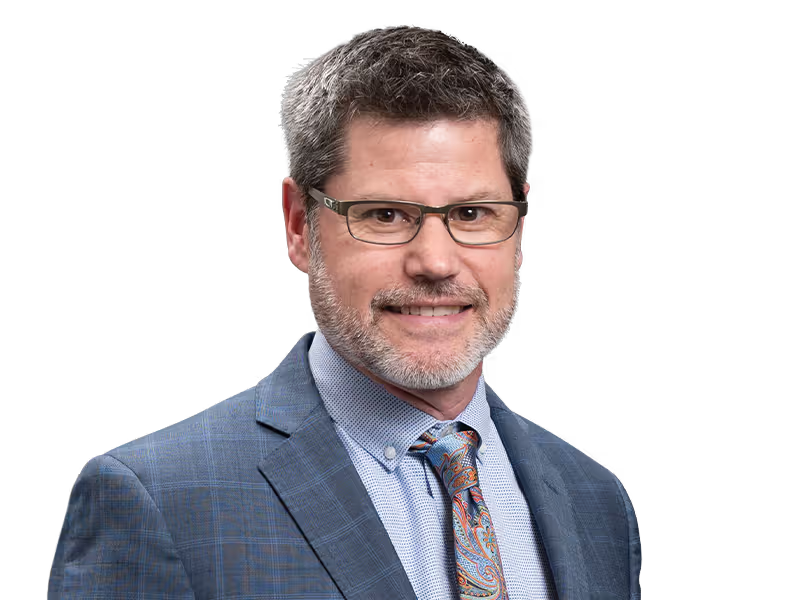
The playbook identifies Brandon Naylor, DO as Program Director; Tom Bradbury, MD as Associate Director; Alexis Alva, MD as Education Director; and George Guild, MD as Research Director.
Program Director
Associate Director
Education Director
Research Director
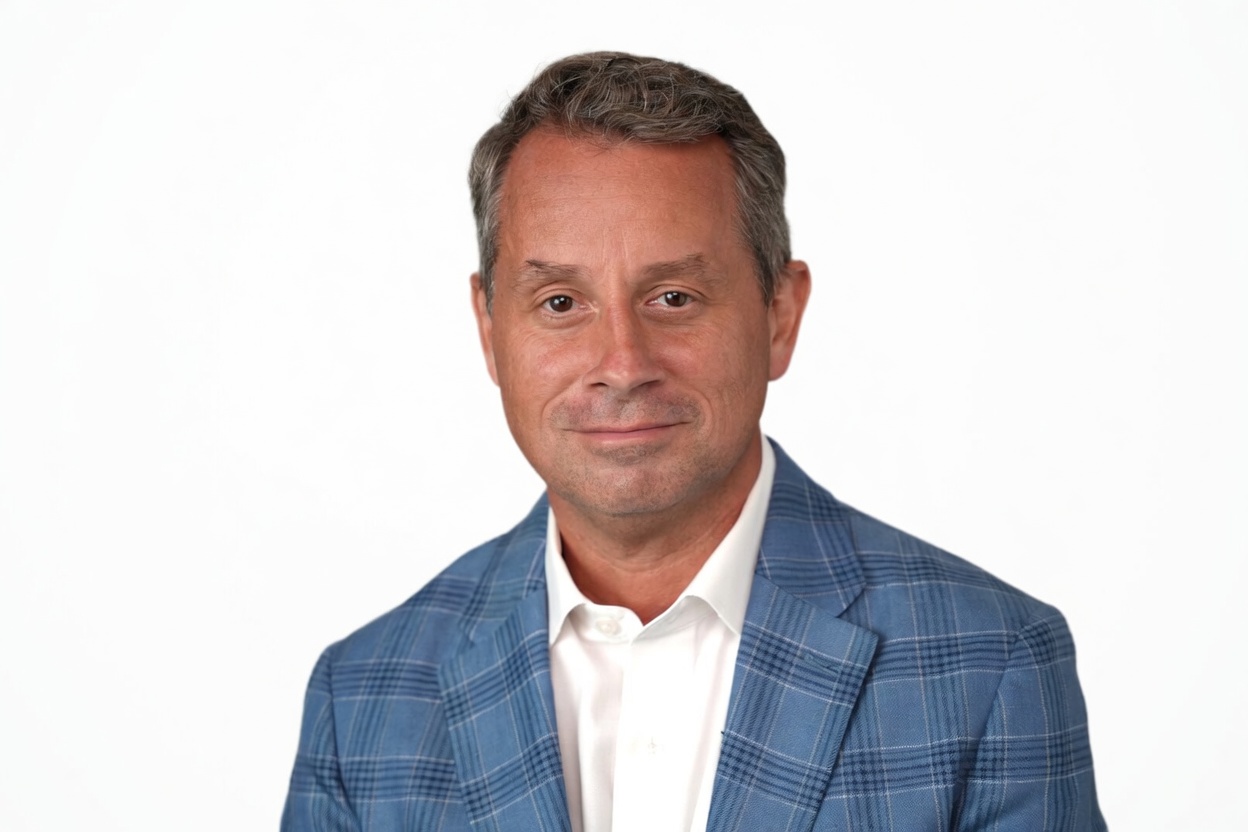
Fellowship faculty
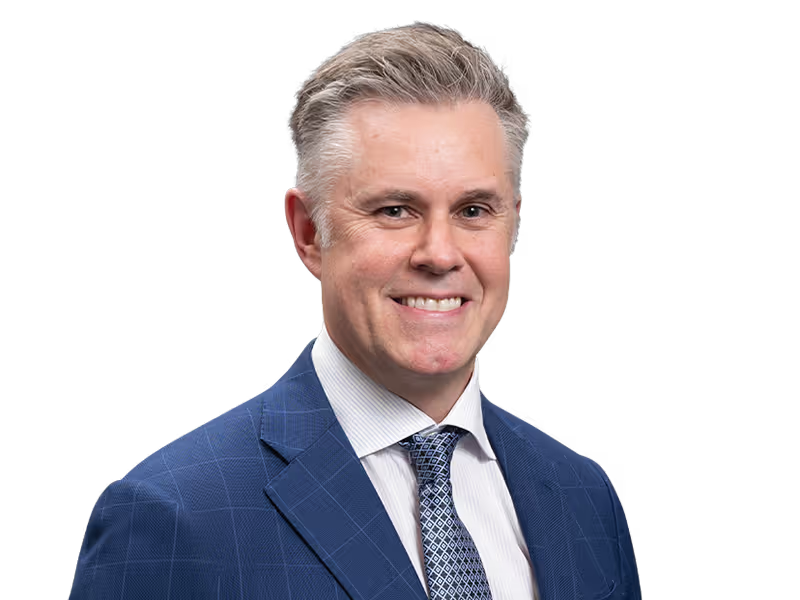
Fellowship faculty
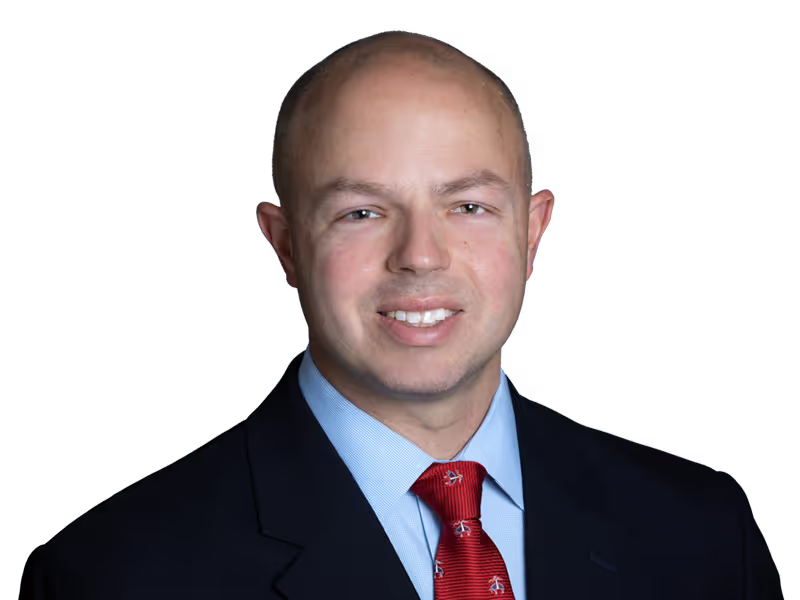
Fellowship faculty
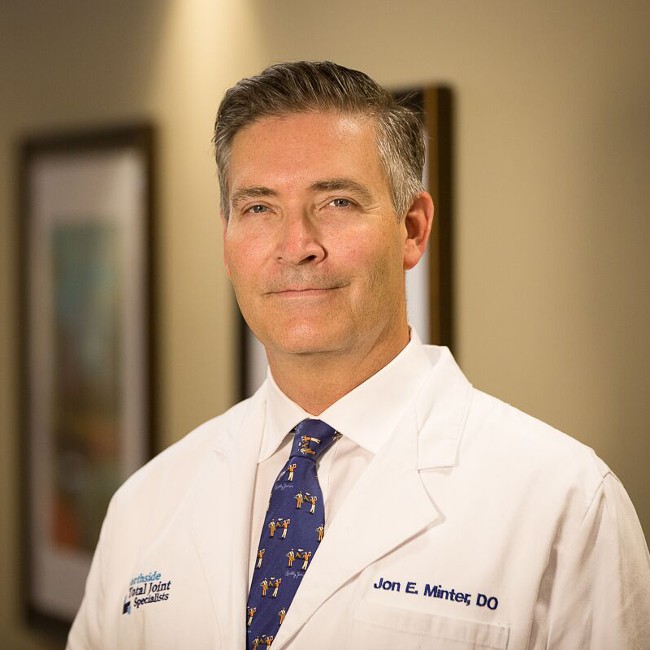
Fellowship faculty
Fellowship faculty
Fellowship faculty
Fellowship faculty
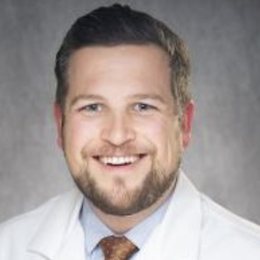
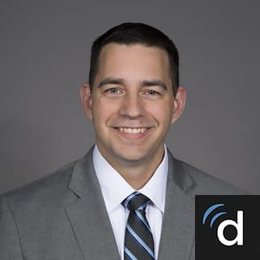
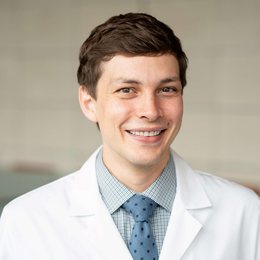
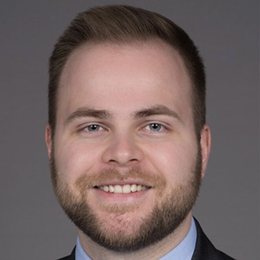
Since 2020, the Atlanta Arthroplasty Fellowship has graduated eight surgeons now in practice across the country — in private groups and hospital systems from Nebraska to the Carolinas — with a growing cohort of current and incoming fellows behind them. Here is where the TJS year has taken them.
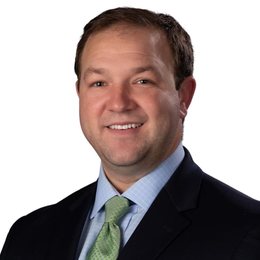
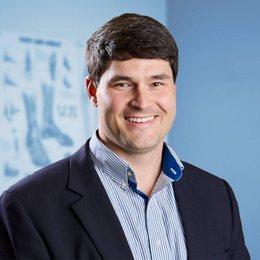
TJS gave me an incredible volume of experience and the confidence to go straight into practice. I learned tips and tricks from multiple surgeons and combined the best of them.
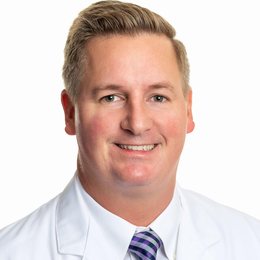
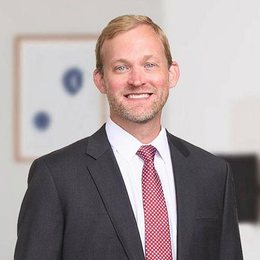
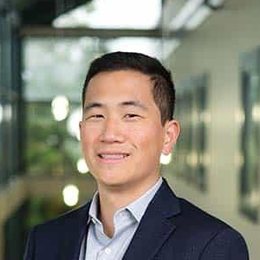
Playing pickleball against Dr. Bradbury and Dr. DeCook after finishing 14 primary joints by lunchtime — a unique experience you won’t get anywhere else.
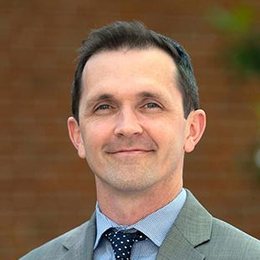
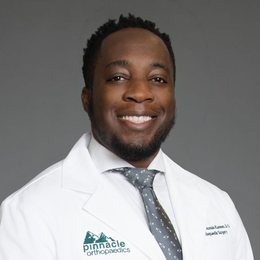
The case complexity and volume prepared me to take on any case I see in the clinic, from simple primaries to complex revisions and infection work. I also learned how to build and train the supporting staff for a high-volume, efficient total joint practice.
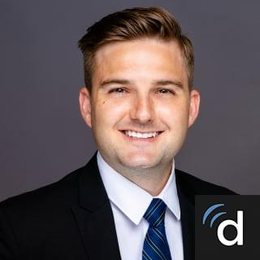
There is no expectation of a visit to match here. But we encourage applicants to come see the program in person: watch the pace, meet the team, understand the ASC model, and see a different way of tackling the arthroplasty profession.
Regardless of where you match, we want you exposed to a new way of thinking about adult reconstruction. We would be honored if you want to come pay us a visit.
See the rhythm of clinic, surgery, conference, and team communication inside a high-volume arthroplasty practice.
Follow the operating fellowship more deeply across primary joints, revision work, ASC flow, and faculty coaching.
A visit is not required and does not define your application. It is simply the clearest way to understand the culture.
The fellowship participates in the national adult reconstruction fellowship ecosystem. Applicants should use SF Match and the AAHKS fellowship directory for current application dates, interview timing, and listing details.
Sources used for this page: TJS Fellowship Playbook 2026-27; AAHKS Fellowship Recognition Program; AAHKS-recognized program list updated January 12, 2026; AAHKS fellowship directory; AAHKS Adult Reconstruction Fellowship Match; Inside-Out anterior osteotomy paper; 12-by-12 efficiency paper; The Knee Society; Jon Minter, DO public provider profile.